High cholesterol often shows up on a routine blood test before you feel any symptoms. Your body needs cholesterol for cells and hormones, but too much LDL (the "bad" type) can stick to artery walls and narrow blood flow over years.
That process, atherosclerosis, raises your risk of heart attack and stroke. This article explains how cholesterol damages arteries, what warning signs to watch for, and practical steps to lower your risk through screening and lifestyle changes.
What Cholesterol Does in Your Body
Cholesterol is a fat found in every cell. Your liver produces most of it; food supplies the rest.
It builds cell membranes, supports hormone production, and helps bile acids break down dietary fats.
Problems start when cholesterol exceeds normal levels. Excess cholesterol cannot dissolve in blood on its own. Lipoproteins carry it through the bloodstream.
LDL vs HDL: The Ratio That Matters
Low-Density Lipoprotein (LDL)
LDL transports cholesterol through the body. At high levels, it deposits cholesterol on artery walls, causing blockages and raising heart disease risk.
High-Density Lipoprotein (HDL)
HDL removes excess cholesterol from the blood and returns it to the liver for processing. Higher HDL and lower LDL together protect against arterial blockage.
What Raises Cholesterol Levels
Common causes include:
- Diets high in saturated fat and processed foods.
- Lack of regular exercise.
- Excess body weight.
- Smoking, which damages blood vessel walls and accelerates plaque buildup.
- Familial hypercholesterolemia, a genetic condition causing very high cholesterol.
- Age-related changes in metabolism.
How LDL Cholesterol Narrows Your Arteries
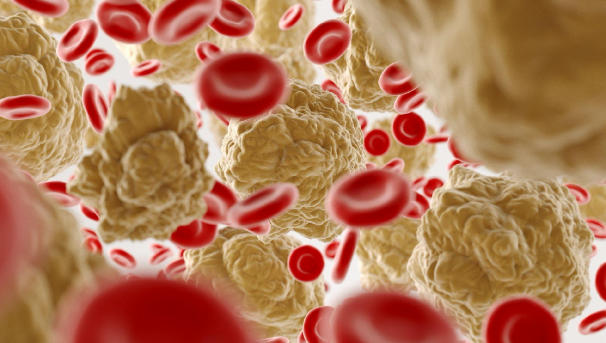
When LDL accumulates, it adheres to artery walls and forms plaques. Plaques reduce blood flow and harden arteries over time. This is atherosclerosis.
Plaques can rupture, triggering blood clots that block arteries entirely. Chronic inflammation around plaques accelerates damage. Poor diet, smoking, and inactivity worsen the process.
Warning Signs of Blocked Arteries
Clogged arteries often produce no symptoms until damage is advanced. That is why screening matters.
When symptoms appear, watch for:
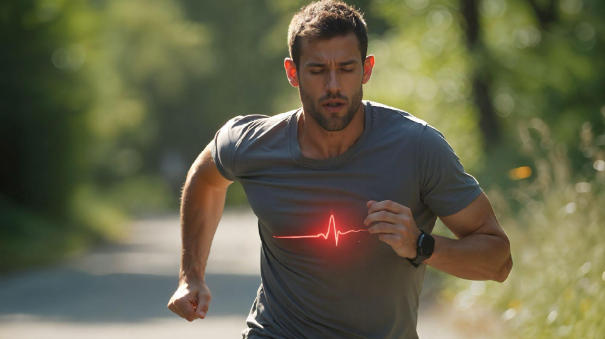
- Chest pain (angina) during exertion.
- Shortness of breath or unusual fatigue.
- Numbness or weakness in limbs.
- Leg pain when walking (claudication).
- Irregular heartbeat.
See a doctor promptly if any of these occur. Ignoring them raises the risk of heart attack or stroke.
Heart Attack, Stroke, and Peripheral Vascular Disease
Untreated high cholesterol increases the risk of several serious conditions.
Heart Attack
A heart attack occurs when a blood clot fully blocks a coronary artery, usually after a plaque rupture. Chest pain, shortness of breath, and upper abdominal pain are common signs. Call 995 immediately.
Stroke
A stroke happens when an artery to the brain is blocked or ruptures, cutting off oxygen to brain cells. Sudden numbness, trouble speaking, or vision problems may indicate someone is having a stroke. Immediate medical attention is essential.
Peripheral Vascular Disease
High cholesterol can also narrow arteries in the arms and legs, causing pain or cramping during activity.
How to Screen and Track Cholesterol
Regular checkups are vital. Adults typically need cholesterol screening every four to six years, or more often with risk factors.
A lipid panel measures total cholesterol, LDL, HDL, and triglycerides. Tracking trends over time guides decisions on lifestyle changes or medication.
Daily Habits That Lower Cholesterol and Protect Arteries
Lifestyle changes, medication, or both can bring cholesterol under control:
- Eat whole grains, vegetables, fruits, lean proteins, and nuts.
- Walk or exercise at moderate intensity for 30 minutes most days.
- Maintain a healthy weight.
- Quit smoking to improve HDL and protect blood vessels.
- Limit alcohol intake.
- Follow your doctor's medication plan if lifestyle changes alone are not enough.
What to do next
Ask your GP for a lipid panel if you have not had one in the last four to six years, or sooner if you have diabetes, hypertension, or family history of early heart disease.
If results are high, agree on a follow-up plan: diet, exercise, and medication if needed. Adults over 65 should pair cholesterol checks with regular check-ups for elderly parents when you are caring for ageing relatives.
Know stroke red flags in what to do if someone is having a stroke. For chest pain or sudden limb weakness, call 995 rather than waiting for a routine GP slot.
About the Author
Dr. Sepideh Nazari is a best general physician in dubai at Dr. A.K. Health Care Medical Center, with over five years of medical experience. She holds a Doctor of Medicine (MD) degree and DHA Eligibility, complemented by advanced training in aesthetic medicine, emergency medicine, IV therapy, and laboratory diagnostics. Her diverse expertise allows her to provide accurate diagnoses, effective treatments, and comprehensive health assessments tailored to each patient’s needs. Dedicated to safe, patient-centered care, Dr. Sepideh is also a valued member of the Dubai Health Authority (DHA) and the General Practitioners Association.