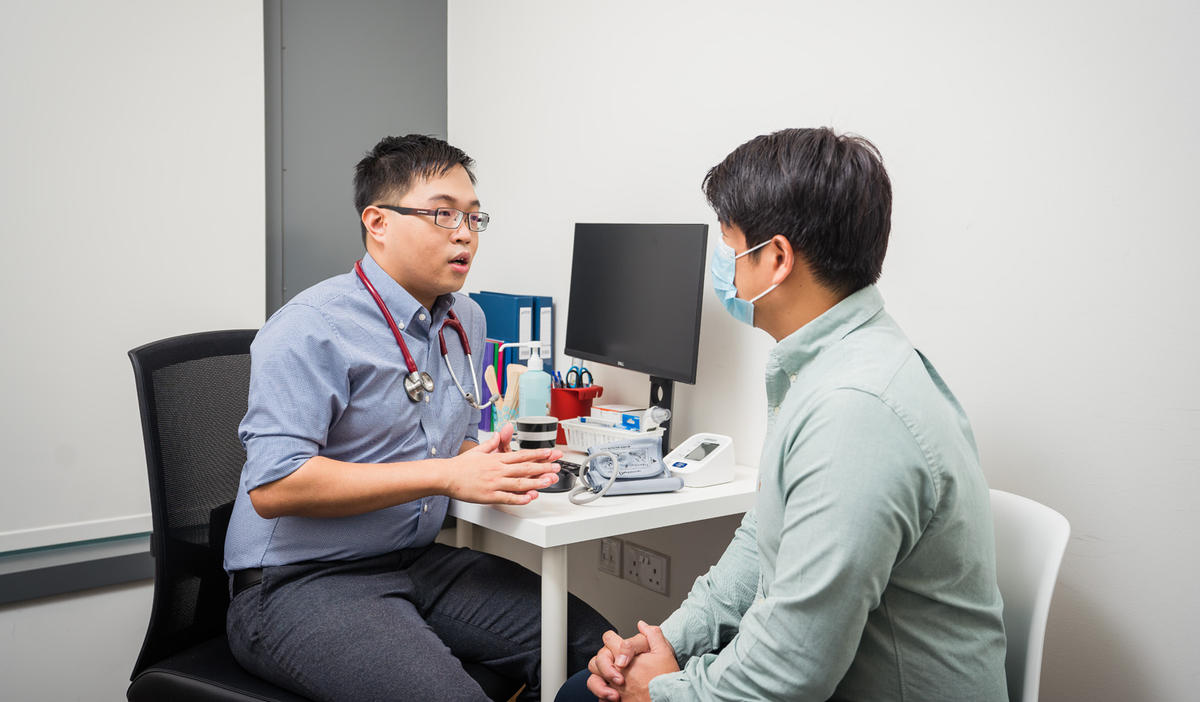
Most health problems in Singapore start at a general practitioner (GP) clinic, not a hospital ward. You may also hear the same role called a family physician or primary care doctor.
A GP is your first stop for coughs, injuries, chronic conditions, and preventive care. This guide explains what they do, what services they offer, and how they fit into Singapore's primary care system alongside polyclinics.
What a GP Actually Does
A general practitioner (GP) treats both sudden illnesses and long-term conditions. They also handle preventive care and health education for patients of all ages.
Unlike specialists who focus on one organ system, GPs work across the full range of primary care. That breadth is what makes them the default first contact when something feels off.
In Singapore, there are 23 polyclinics and about 1,800 GP clinics as of now.
Primary care runs through this island-wide network of polyclinics and private GP clinics. Both settings follow the same clinical protocols for chronic disease management.
Services You Can Get at a GP Clinic
General practitioners deliver an array of essential medical services for immediate needs and ongoing health management.
Acute and Chronic Care
GPs treat common medical issues such as infections, the flu, or injuries. They also manage chronic conditions like diabetes, hypertension, and asthma through long-term monitoring and medication review.
Preventive Medicine
Preventive care includes vaccinations such as regular flu vaccination, health screenings, and lifestyle advice aimed at catching problems before they escalate.
Health Screenings
GPs run screenings tailored to your age and risk profile: blood pressure checks, cholesterol tests, and cancer screening referrals where appropriate. Early detection materially improves treatment outcomes.
Children's Health
From newborn care to adolescent health issues, GPs handle pediatric concerns including immunizations, developmental assessments, and nutrition guidance.
Travel Medicine
Planning a trip? GPs provide travel vaccinations, destination-specific health advice, and prophylactic treatments for travel-related illnesses.
Men's and Women's Health
GPs screen and treat gender-specific concerns: prostate and cardiovascular health for men; reproductive health, family planning, pregnancy care, and menopause management for women.
Specialist Referrals
When a condition needs specialist input, your GP refers you to outpatient clinics (SOC) or hospitals. They discuss the referral with you before making it.
What a Typical GP Day Looks Like
A GP's schedule shifts between routine check-ups and cases that need urgent attention or specialist referral.
On any given day they may see patients for symptom assessment, administer vaccinations, run baby health checks, adjust chronic disease medication, perform minor procedures, or advise on diet and lifestyle.
Emergencies can interrupt the schedule. When that happens, the GP stabilises the patient and arranges referral if needed.
Some GPs also offer home medical visits for patients who cannot travel to the clinic.
GP Clinic vs Polyclinic: Same Care, Different Setting
You receive equivalent clinical care at a GP clinic or polyclinic. Standard protocols guide doctors in managing diabetes, hypertension, lipid disorders, screenings, medications, lifestyle advice, and specialist referrals.
The main differences are location, wait times, and how subsidies apply, not the quality of medical management.
How Fees and Subsidies Compare Under Healthier SG
Fees and subsidies for common chronic medications at polyclinics and GP clinics are similar under Healthier SG, but consultation fees can differ because GPs set their own prices and subsidies are applied differently in each setting.
From February 2024, CHAS/MG/PG cardholders enrolled with a Healthier SG GP can opt for the Healthier SG Chronic Tier to receive selected chronic medications under the Healthier SG Medication List at prices comparable to polyclinic rates. Subsidy rates reach up to 87.5%. The medication list is at go.gov.sg/healthiersg-medication-list.
GP consultation fees also carry additional subsidies, subject to annual and per-visit dollar limits. If the subsidy exceeds the consultation charge, you pay nothing for that visit. Polyclinics have no overall annual dollar limit, but patients still make a small co-payment per subsidised visit.
Non-CHAS cardholders pay prevailing GP rates. See the CHAS website for eligibility details.
Check medication and consultation fees at your chosen clinic before enrolling.
What to do next
If you do not have a regular GP yet, use our guide to finding a general practitioner in Singapore to shortlist clinics near home or work.
Book a visit for anything acute (see common conditions GPs treat) or for preventive care such as flu vaccination and health screenings. For urgent but non-life-threatening issues, read when to choose a GP over the emergency department so you get the right care without unnecessary A&E waits.
Browse GP clinics on ClinicGeek to compare locations, services, and opening hours before your next appointment.